
What Is Wearable Technology?
Wearable technology, also known as Wearables, is a category of electronic devices worn as accessories. The devices are hands-free gadgets with practical uses that can send and receive data via the Internet.
In fitness and sports, wearable technology is trendy in two forms: a smartwatch and a smart bracelet.
Smartwatches have become a sought-after commodity in recent years. A smartwatch usually includes a large touch screen (compared to a smart bracelet), and it allows you to receive alerts from your phone, and some can run apps developed by 3rd parties. There are dedicated sports watches, but most smartwatches on the market usually include an additional set of sensors that track heart rate, steps, distance, sports activities, and other functions such as oxygen levels. The Apple Watch is the leader of this segment holding over 40% of the market.
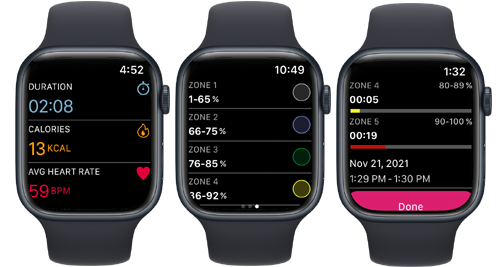
A smart bracelet has become a particularly coveted product considering its cheap price. A typical bracelet tracks heart rate, burned calories, steps taken and even sleep quality.
Fitbit was one of the pioneers in this market and held about 45% of the market back in 2014.
Whoop and Oura are relatively new players in this market, focusing on the stylish aspect of the device itself.
The benefits of wearable technology:
- Health:
During the Apple watch promotion, Apple CEO Tim Cook said that he believes the company's biggest contribution will be in terms of health and quality of life. Doctors will be able to monitor health data from their patients' phones and watches, such as blood pressure, heart rate, sleep hours, exercise, etc.
- Fitness:
One of the key growth drivers of the wearable market is fitness apps. Wearable manufacturers themselves develop some. The category leader in this area is the Apple Fitness+ Service, which operates tightly with the Apple Watch.

- Simplicity:
Smartwatches are designed to make our lives easier and monitor our health and activities so that we can make better choices in our lifestyle. In fact, the quality of health data collected by these smartwatches is so good that the judicious use of advanced-edition smartwatches can add several years of health to the lives of users. Their connection to apps on smartphones allows two-way information to flow quickly and simply and frees up the constant need of users to look at mobile phones frequently.
Wearable technology in healthcare organizations:
Healthcare organizations will be able to adjust their health policies to the real health situation of the user in real-time, thus lowering prices and even reducing their exposure through increasing awareness and improving the health status of users. However, any organization that encourages the use of wearable devices by its employees must consider the risks of these uses:
- Valuable data – the confidential patient data that flows in these organizations' networks makes it a prime target for cyberattacks.
- Medical devices are easy to hack - The sheer number of medical devices connected to the network makes security maintenance especially challenging for IT professionals in the healthcare field. Medical devices can be vulnerable access points for attackers to access data-rich servers.
- The healthcare staff is not qualified to deal with data security risks – healthcare organizations must consider that their employees are also part of the security team. Therefore, it is critical to adopt a zero-confidence security model to prevent unauthorized access to confidential data.

Considering the risks above, healthcare organizations will be able to implement multi-factor and risk-based authentication methods to identify and provide access to authorized people across devices and locations and establish an appropriate and risk-focused information security policy.
Wearables at fitness clubs:
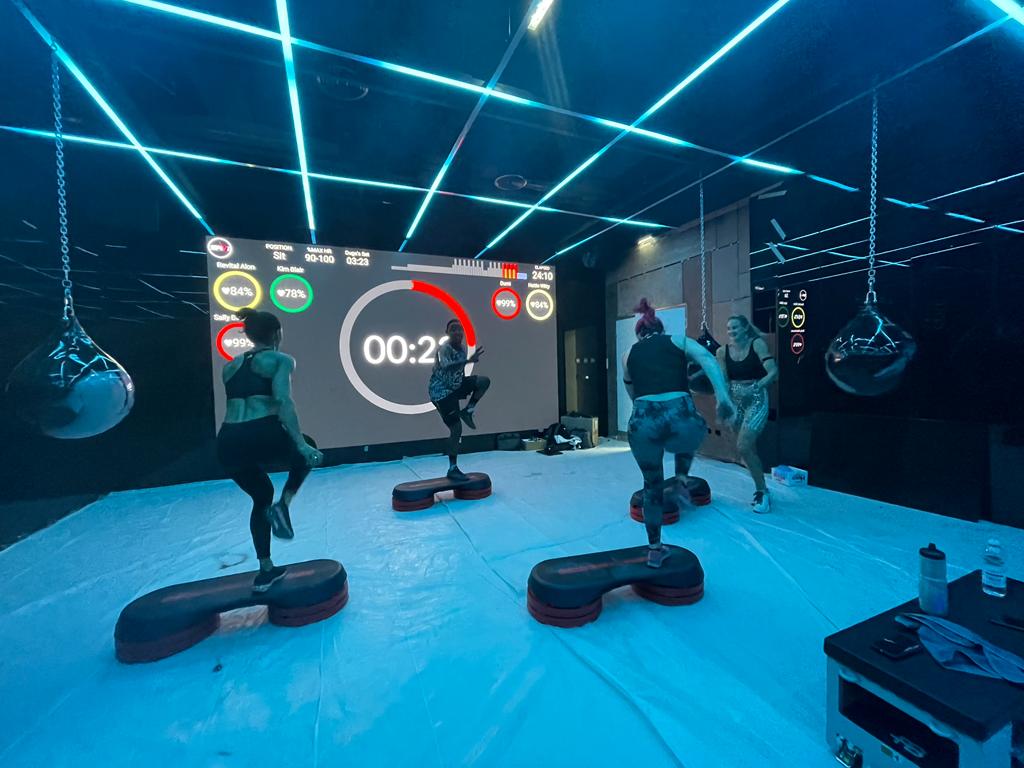
The wide adoption of wearable devices opens new opportunities for fitness business operators by adding a layer of accountability based on these devices' heart rate tracking capabilities. One good example of such an implementation is the Spivi Arena heart rate tracking system which is fully integrated with the Apple Watch for live heart rate streaming in a group environment.
In summary:
Wearable technology continues to integrate deeper and deeper into our daily lives. All wearable items, without exception, collect information about us and communicate with computer systems and various applications or with other accessories.
The promise of all manufacturers is the same: we will change the way you receive / monitor information, use it, and share it with others. At the same time, they are developing and launching a wide range of new categories of wearable items, which we wear 24/7, monitoring countless data and changing the way we see and experience technology.
Apart from the connection to our phone (which offers alerts, communication, etc.), smartwatches and smart bracelets are mainly designed to monitor our physical activity and our "life metrics" - to monitor blood pressure, heart rate, and sleep. Monitoring these and other metrics, as well as physical activity, is expected to completely change the world of fitness and wellness, and our habits in favor of improving the quality of life. The vast amount of information that will accumulate will be able to teach us and lead to a great many new insights into health effects and symptoms that can be monitored, responded to, and improved.