
Fitness Gamification and Members Engagement
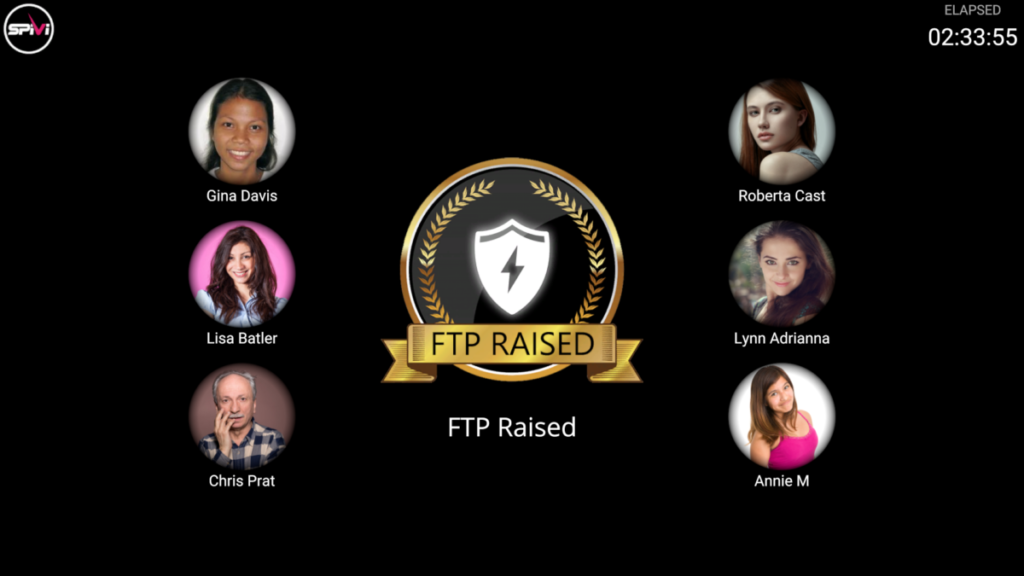
Starting your fitness journey can be difficult, but continuing it can be a much bigger challenge. Many people hit the gym at the start of the year; this is when they are the most motivated to join. However, within the first few weeks, the motivation dies down, and they dread going to the gym at all.
There can be several reasons why people lose motivation to continue their fitness journey. One of the biggest reasons for that is being bored of the gym routine. Gym goers lose motivation because they no longer find the gym to be fun and exciting or challenging. When the excitement wears off and your goals are vague, there is nothing to motivate these people to work out. However, some ways can help make the gym more fun and increase member engagement.

Gamification of Fitness
The concept of including games in the fitness world can prove to be a great way to increase member engagement. Gamification of fitness is a newfound concept that can help gym owners get more people to join. It can motivate members to continue their fitness journey without losing motivation.
People may think of games as childish or unrelated. But to clarify how gamification of fitness activities can make such a difference, a good example would be leaderboards and competitions. When you can watch your workout stats while you are working out, see where others are and when you want to be, this alone can drive you to work harder.
It is an evolution in technology that has given rise to fitness frenzy all over the world. With exhilarating challenges and quick rewards, the gamification of fitness can be the future. Not only has gamification taken the gym by storm, but it has also changed the way people view indoor fitness.
Goals of Fitness Gamification
Different stakeholders have different goals for the gamification of fitness. For instance, gym owners, club operators, and technology developers aim to keep their members engaged. They can introduce the application and keep things interesting by adding premium features to further motivate members through competition.
On the other hand, the members will have the goal of continuing their fitness journey and challenging themselves to work hard and achieve their fitness goals. If a member starts to have fun with the gamified application, they will continue to work on their fitness, which will indirectly benefit the technology makers.

How to Gamify the Member's Fitness Experience
There are several ways companies can gamify a member's fitness experience. For instance, using a digital tracking exercise that monitors your activity and gives you statistical data to improve can be a way to instill competition and challenge in your fitness journey.
These challenges are a source of great motivation as they can push people to compete against others or themselves to explore more fitness challenges. Other than that, including different prizes in your fitness applications, can also entice your audience to push their limits in the hopes of getting a reward. The reward system is an important part of the gamification of fitness. Most people give up on their fitness journeys because they do not get the immediate rewards they need.
Since fitness is a continuous effort, people need to keep working hard and be patient to see the fruits of their labor. There can be times when they want to quit, which will become a rare occurrence with gamified fitness apps. With consistent rewards through technological advancements, members can get quick rewards, which will boost their motivation to continue working on their fitness. Both intrinsic and extrinsic motivation depends on rewards from fitness gamification.
Conclusion
Fitness gamification can boost member engagement and strengthen the relationship between individuals and their fitness journeys. With new and exciting challenges to conquer and a reward system, the gamification of fitness can revolutionize the fitness world. With these more engaging types of fitness apps, it will be easier for people to work out and stick to their goals.